The Diagnosis That Changes Everything (And Nobody Properly Explains)
Maybe it came in a quick call from the clinic. Or maybe you saw it first on the online lab portal before your doctor even called: "Prediabetes."
Two words. A ten-minute appointment. A vague recommendation to "watch your diet," and maybe a first prescription.
And then you walked home with a question nobody actually answered: is this the beginning of the end, or is there still time to turn things around?

If you're like most people who receive this diagnosis, you've already seen up close what happens when it advances. A father, a mother, a grandparent — maybe with a foot wound that wouldn't heal. Maybe facing dialysis three times a week. Or watching their eyesight slowly dim until they couldn't read or drive anymore.
You aren't scared of a number on a lab sheet. You're terrified of becoming that person.
And that is exactly why this report was written.
Your Body Isn't "Betraying" You. A Switch Was Flipped Off.
Here's what that ten-minute appointment rarely has time to explain.

Inside your body, there's an enzyme called AMPK — described in scientific literature as the human body's "master metabolic switch." When it's active, it signals your cells to pull glucose out of your bloodstream efficiently and burn fat for fuel. When it gets turned off — by years of chronic stress, sedentary life, aging, and a food system flooded with high-fructose corn syrup and ultra-processed foods — your body loses its ability to self-regulate.
The result is what you're living through right now: blood sugar that spikes even on days you "didn't do anything wrong." Exhaustion that hits even after a full night's sleep. A body that feels like it's swimming upstream.
Prediabetes isn't a life sentence. It's a high-priority alarm telling you that the master switch needs to be flipped back on — before things advance into something far harder to reverse.
The real question isn't "what did I do wrong?" It's: "how do I reactivate this switch while there's still time?"
You've Tried. And Your Effort Wasn't in Vain — It Just Wasn't Enough.

Maybe you already cut out soda and sweets. Swapped white bread for whole wheat, cut back on rice, started taking daily walks. Maybe you stuck to it for months — only to walk back into the clinic and hear that your HbA1c barely budged.
That is soul-crushing. But it is not a personal failure.
Diet alone hits a real biological wall: when your master metabolic switch is locked off, cutting calories and carbs helps, but it's often not enough to turn the tide on its own — because the core issue isn't just what's on your plate, but how your body processes what comes in.
And if your doctor already put metformin on the table as the next step, you deserve to know what comes with it: severe gut distress in a huge portion of patients, a persistent metallic taste, and a rarely discussed issue — long-term metformin use is linked to vitamin B12 malabsorption. B12 is essential for nerve protection. When a B12 deficiency sets in, symptoms like tingling and burning sensations in your feet and hands can be mistaken for "the disease worsening," when they actually stem from a completely different cause.
Nothing here is a reason to stop prescribed medication on your own — it's a reason to ask your doctor about monitoring your B12 levels if you've been taking metformin, and to understand why there's a natural alternative worth investigating before things advance further.
Why This Plant Never Made It to Your Doctor's Office

In 1965, the US Sugar Association secretly paid three Harvard researchers to produce a review paper with a predetermined conclusion: clear sugar of blame for heart disease and place 100% of the guilt on dietary fat. Published in 1967 in a prestigious medical journal without disclosing the financial conflict of interest, that paper shaped decades of dietary guidelines — the very food pyramid that taught generations to fear healthy fats while unknowingly consuming hidden refined sugars in processed foods.
The result, decades later, is a prediabetes crisis sweeping through your generation at rates your parents' generation never experienced.

Meanwhile, on the other side of the world, a botanical used for over 2,000 years in Traditional Chinese Medicine was quietly proving itself. In the 1980s, physicians treating intestinal infections noticed something unexpected: diabetic patients receiving the plant extract experienced steady, consistent drops in blood sugar.
Its name is berberine.
And it never made it into standard clinical guidelines on a global scale — not due to a lack of effectiveness, but because, as a natural compound, it cannot be patented. Without a patent, there is no financial incentive for pharmaceutical giants to fund the multi-million-dollar clinical trials required to put it on standard prescription lists.
What the Science Actually Shows, Head-to-Head

A controlled clinical trial published in the peer-reviewed journal Metabolism tracked 36 newly diagnosed type 2 diabetic adults over 13 weeks, comparing 1,500 mg of pure daily berberine directly against 1,500 mg of daily metformin:
| Marker Tested | Metformin | Berberine (VYTA) |
|---|---|---|
| HbA1c Reduction | -1.43 percentage points | -1.99 percentage points |
| Fasting Blood Glucose | -28.0% Reduction | -35.5% Reduction |
| Triglycerides | No significant change | -21.2% Reduction |
| Total Cholesterol | No significant change | -12.9% Reduction |
On blood sugar control, the numbers virtually tied (with berberine showing a slight edge). But on blood lipid profiles — a critical risk factor for cardiovascular health in anyone dealing with prediabetes — berberine significantly outperformed metformin across the board.
What Those Numbers Actually Mean for You
A tie on blood sugar. A win on the markers tied to long-term heart and metabolic health. That's not a marginal difference — it's the kind of result that changes what a next lab visit could look like.
This is what led to VYTA Berberine: 1,500 mg per serving, standardized to 97% purity, third-party lab tested with a Certificate of Analysis available on usevyta.com. Made in the USA, in an NSF & GMP-certified facility. No fillers, no fake yellow powder — vegan, gluten-free, non-GMO.
What This Looks Like in Real Life
Real feedback, real results, from people navigating their own version of that same lab result.
"My doctor was ready to prescribe Metformin, but I asked for 3 months to try VYTA Berberine. At my follow-up, my HbA1c dropped right back into the normal safe range!"
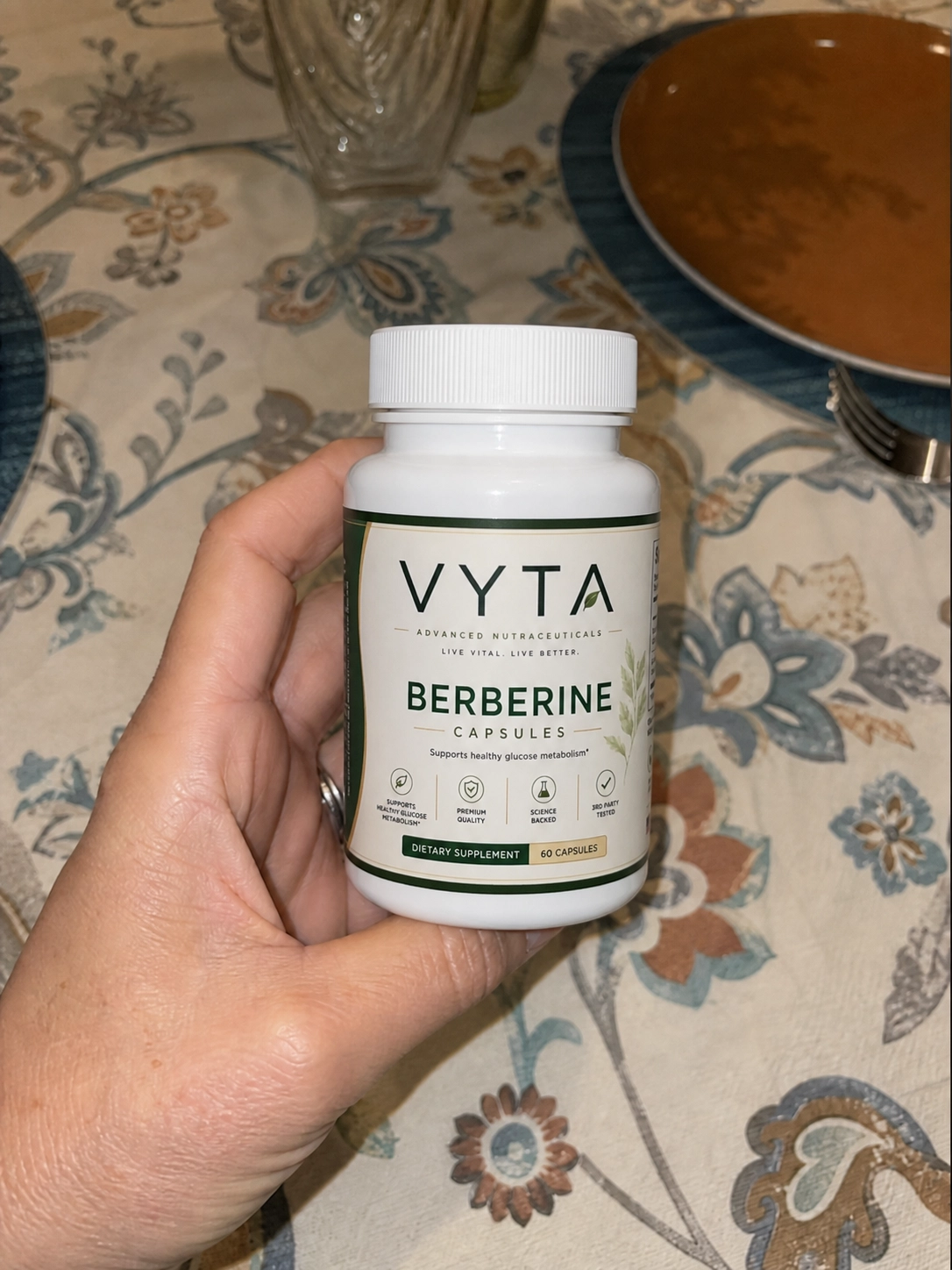
"I noticed my morning blood sugar numbers smoothing out within the first month. The tingling in my toes stopped completely and my morning energy is back."
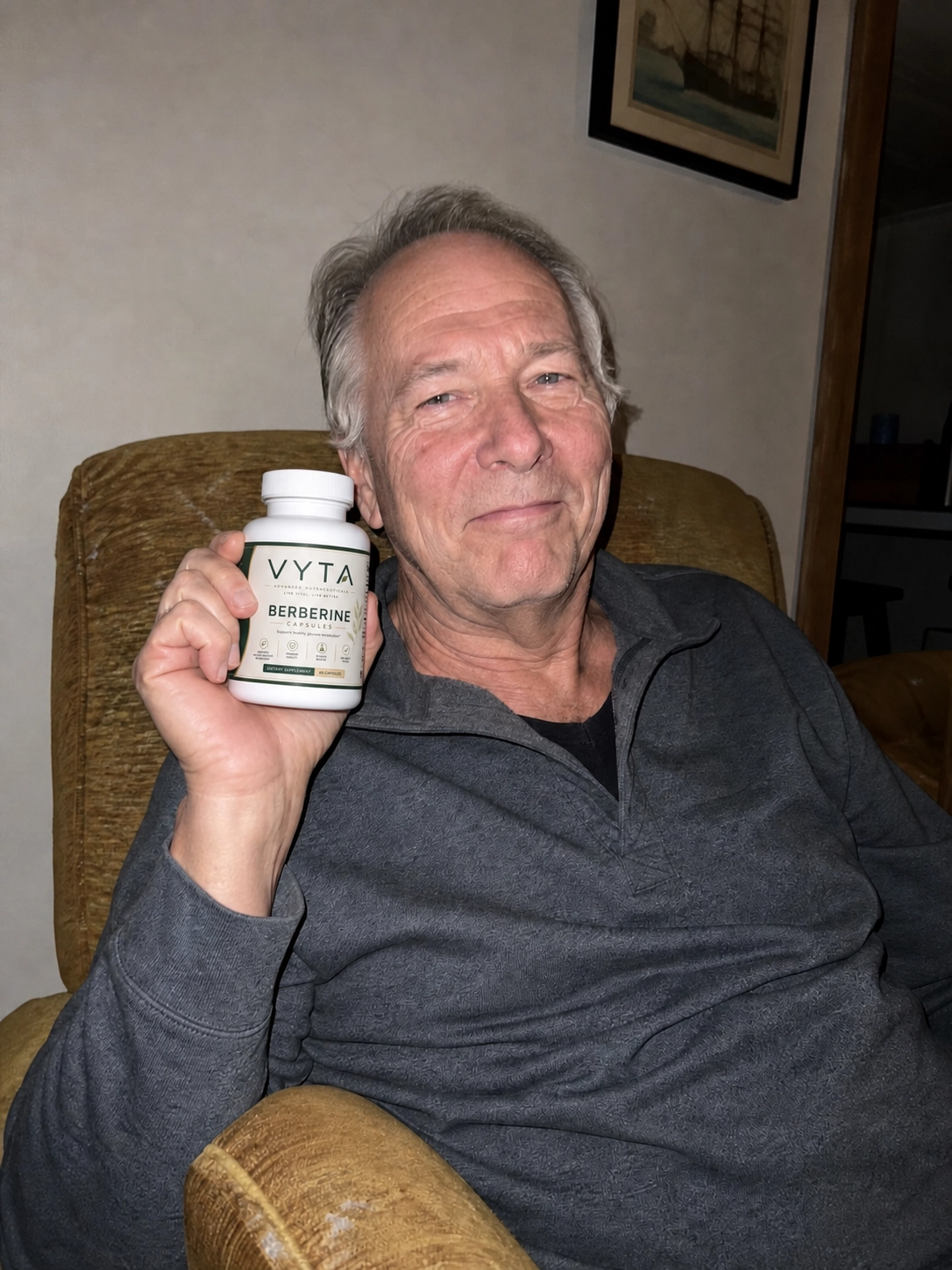
"After lunch I used to crash hard. Within 2 weeks of taking VYTA Berberine with meals, my blood sugar stayed steady without any drastic spikes or slumps."
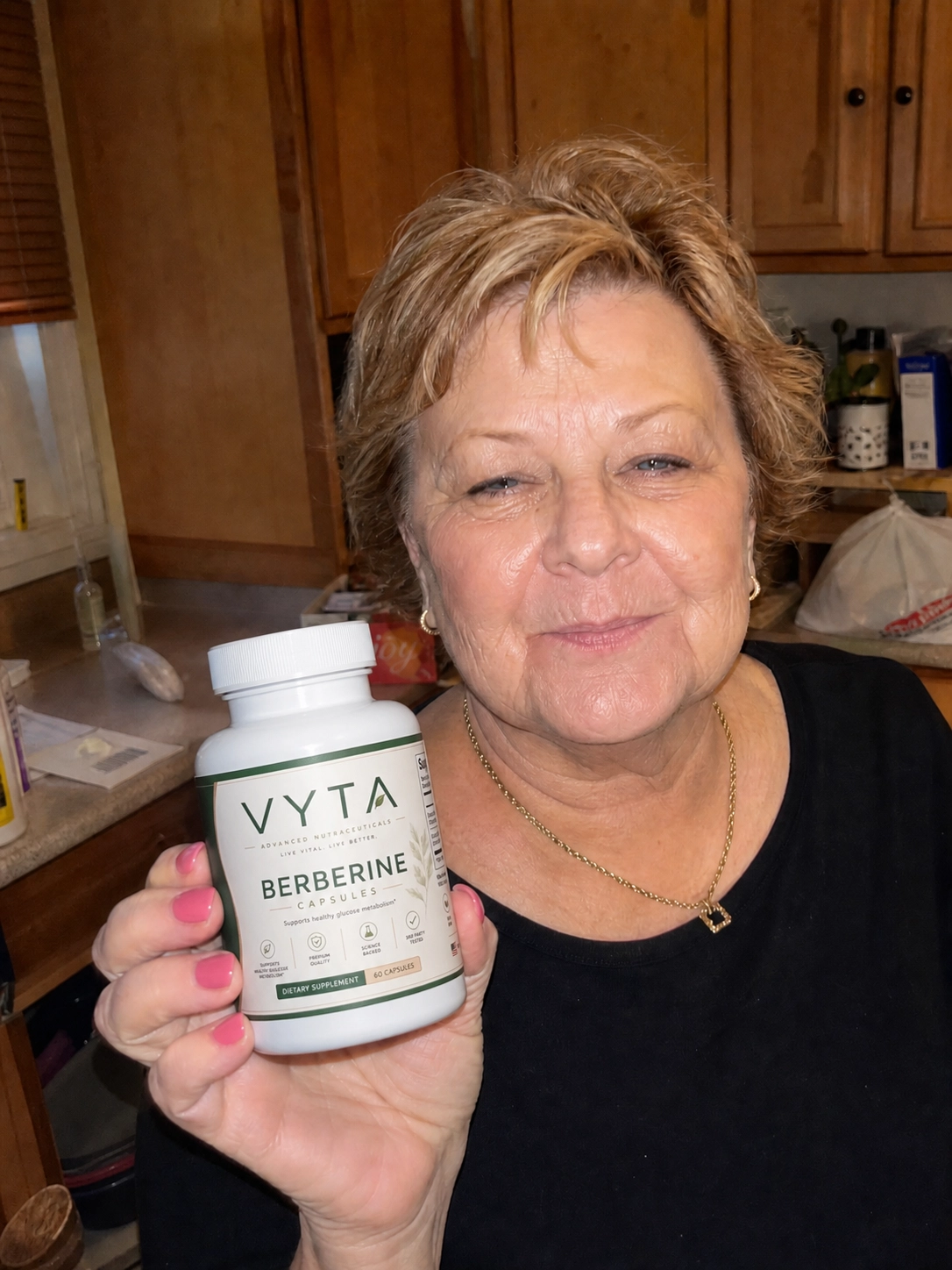
"Seeing my family suffer from diabetes complications terrified me. VYTA gave me a proven natural tool that actually moved my lab numbers before it was too late."
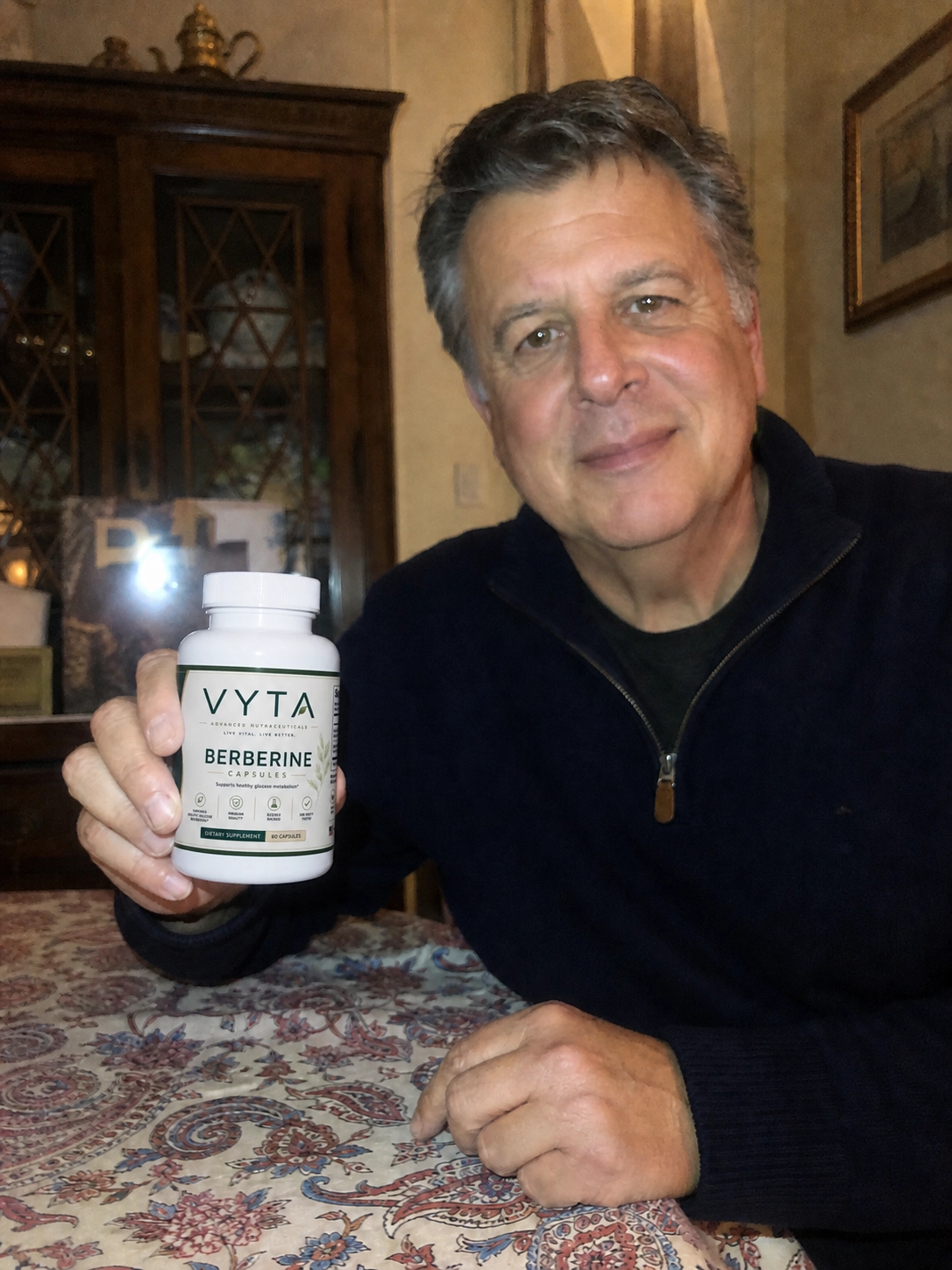
"Knowing that every batch has an available COA test report meant I wasn't wasting money on fake yellow powder like other brands online."
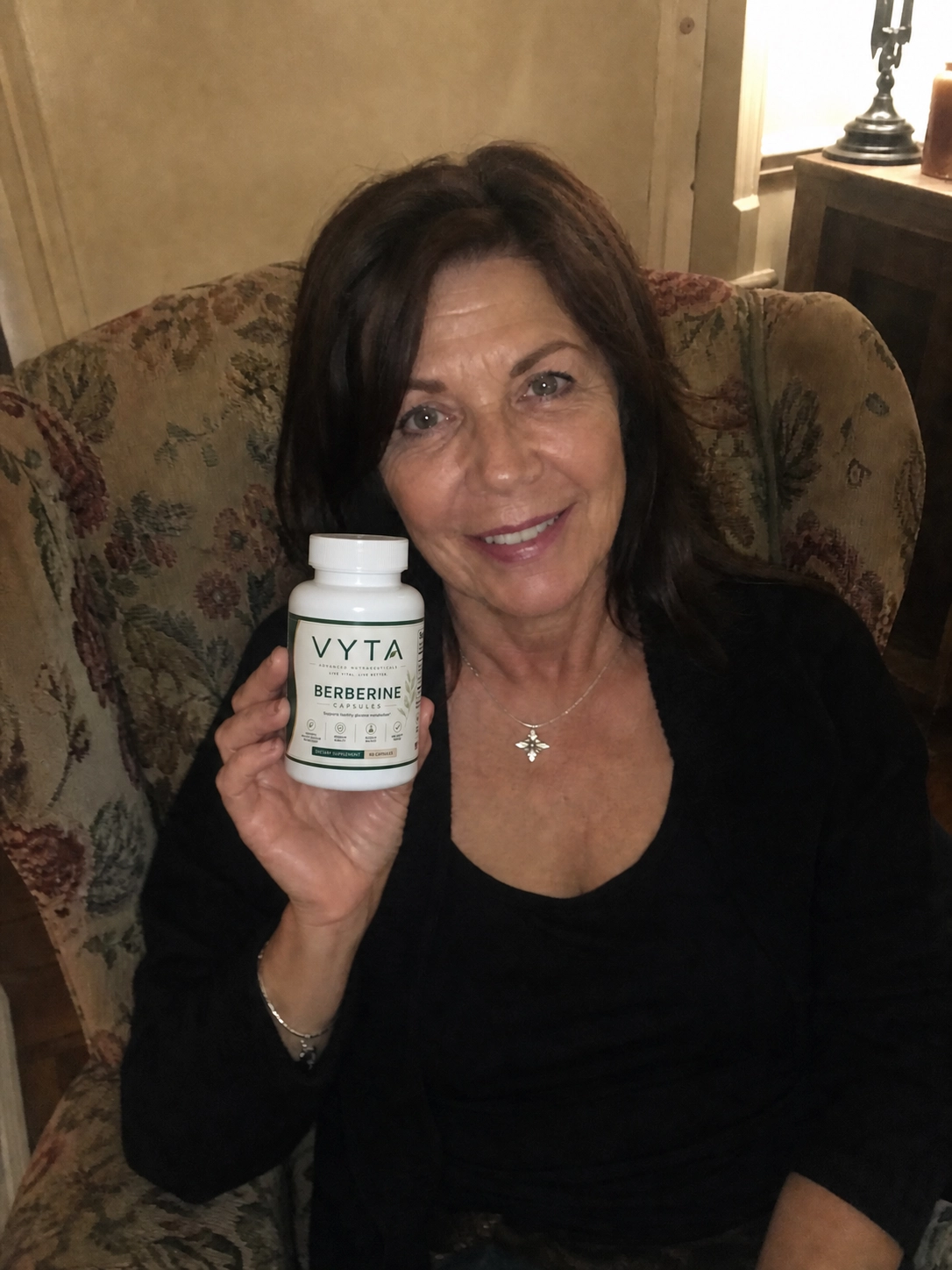
Where to Find Authentic 97% Pure Berberine HCl (And How Readers Can Secure the 90-Day Protocol)
Because clinical trials show that metabolic cellular turnover and AMPK reactivation build compounding momentum over 60 to 90 days, endocrinologists and clinical nutritionists strongly recommend starting with the 90-Day Protocol.

The 90-Day Recommended Protocol (3-Bottle Batch)
Clinically recommended duration for full AMPK cellular activation and baseline blood sugar shift.
- 3 Full Bottles of VYTA Berberine HCl (1,500mg clinical dose per serving)
- INCLUDED FREE BONUS: The 5-Minute Glucose Protocol Digital Companion Guide
- FREE Express Shipping to all 50 U.S. States
- 100% Risk-Free Guarantee: Covered by our 60-Day Empty-Bottle Money-Back Guarantee