You've Done Everything "Right." And Yet...
You cut carbs. You hit the gym. You count calories with a level of discipline most people couldn't handle even if they tried. And the needle on the scale just won't move — or worse, it creeps up.

Meanwhile, the carb cravings hit you like a wave. It isn't normal hunger — it's something intense, almost frantic. Some women call it "rage hunger." You notice hair clogging the shower drain. Your period is never on time. And you wake up exhausted, no matter how many hours of sleep you get.
If you have PCOS — Polycystic Ovary Syndrome — or associated insulin resistance, you already know the drill: the classic "eat less, move more" advice simply doesn't work for you the way it does for everyone else.
And that’s not just in your head. It's biology.
The Real Reason Your Diet Isn't Working the Way It Should
With PCOS, insulin resistance isn't just a side effect — it's often the core engine driving the entire condition. When your cells stop responding properly to insulin, your body compensates by pumping out even more.

That excess circulating insulin triggers your ovaries to overproduce androgens (male hormones). This drives frustrating symptoms like hair thinning, stubborn acne, and irregular cycles — while locking your body into fat-storage mode, especially around your waist.

Inside your body, there's an enzyme called AMPK — often referred to as the body's "master metabolic switch." When AMPK is active, it helps your cells absorb glucose efficiently without relying so heavily on insulin. But in an insulin-resistant body, that switch gets stuck in the "off" position.
That’s why two people can follow the exact same meal plan and get completely different results. It’s not a willpower problem. It’s a specific hormonal loop that needs to be addressed directly at the root.
You've Tried. And Your Discipline Was Never the Problem.

Maybe you tried metformin, prescribed to help with PCOS insulin resistance. It can help — but it often comes with a steep price tag: severe gastrointestinal distress, nausea, and cramping that make it miserable to stay on long term.
Or maybe you tried myo-inositol, a popular choice in the PCOS community. It’s a decent starting point — but for many women with deeper insulin resistance, it just isn't potent enough on its own.
And you’ve almost certainly put yourself through restrictive diets that work for a few weeks before slamming into a brick wall... because the underlying hormonal bottleneck was never solved.
The Ancient Botanical Western Medicine Ignored (And Why)

Berberine is a natural compound extracted from plants used for over 2,000 years in Traditional Chinese Medicine and Ayurveda — historically used for female metabolic and reproductive health.
Its modern metabolic powers were actually rediscovered by accident: in the 1980s, Chinese researchers treating gut infections noticed diabetic patients taking the extract experienced dramatic, consistent drops in blood sugar. That sparked decades of clinical research — including studies specifically focused on women with PCOS.
So why hasn't your gynecologist mentioned it? Simple: berberine is a natural plant compound, which means it cannot be patented. Without a patent, pharmaceutical companies can't profit billions off it — so no one funds the multi-million-dollar marketing pushes required to put it into standard medical guidelines alongside proprietary synthetic drugs.
What the Science Shows Specifically for PCOS & Insulin Resistance

In clinical trials directly comparing berberine, metformin, and myo-inositol in insulin-resistant women with PCOS, berberine demonstrated:
- Greater reduction in waist circumference and waist-to-hip ratio (WHR) than both metformin and myo-inositol.
- Deeper drops in triglycerides and LDL ("bad") cholesterol.
- Significant increases in SHBG (Sex Hormone-Binding Globulin) — a key protein that binds to excess free androgens, helping reduce unwanted symptoms like hormonal acne and hair shedding.
| Marker Tested | Metformin | Berberine (VYTA) |
|---|---|---|
| HbA1c Reductions | -1.43 percentage points | -1.99 percentage points |
| Triglycerides Reduction | No significant change | -21.2% Reduction |
| Total Cholesterol | No significant change | -12.9% Reduction |
What Those Numbers Actually Mean for You
A tie on blood sugar. A win on the markers tied to long-term heart and metabolic health. That's not a marginal difference — it's the kind of result that changes what a next lab visit could look like.
This is what led to VYTA Berberine: 1,500 mg per serving, standardized to 97% purity, third-party lab tested with a Certificate of Analysis available on usevyta.com. Made in the USA, in an NSF & GMP-certified facility. No fillers, no fake yellow powder — vegan, gluten-free, non-GMO.
What This Looks Like in Real Life
Real feedback, real results, from people navigating their own version of that same lab result.
"I suffered from unpredictable PCOS cycles for over 2 years. After 60 days on VYTA Berberine, my period came back naturally on a 28-day cycle and sugar cravings dropped completely."

"That 3 PM 'rage hunger' for carb-heavy snacks was ruining my progress. Within 3 weeks on VYTA, my blood sugar stabilized and my energy remained steady all day."
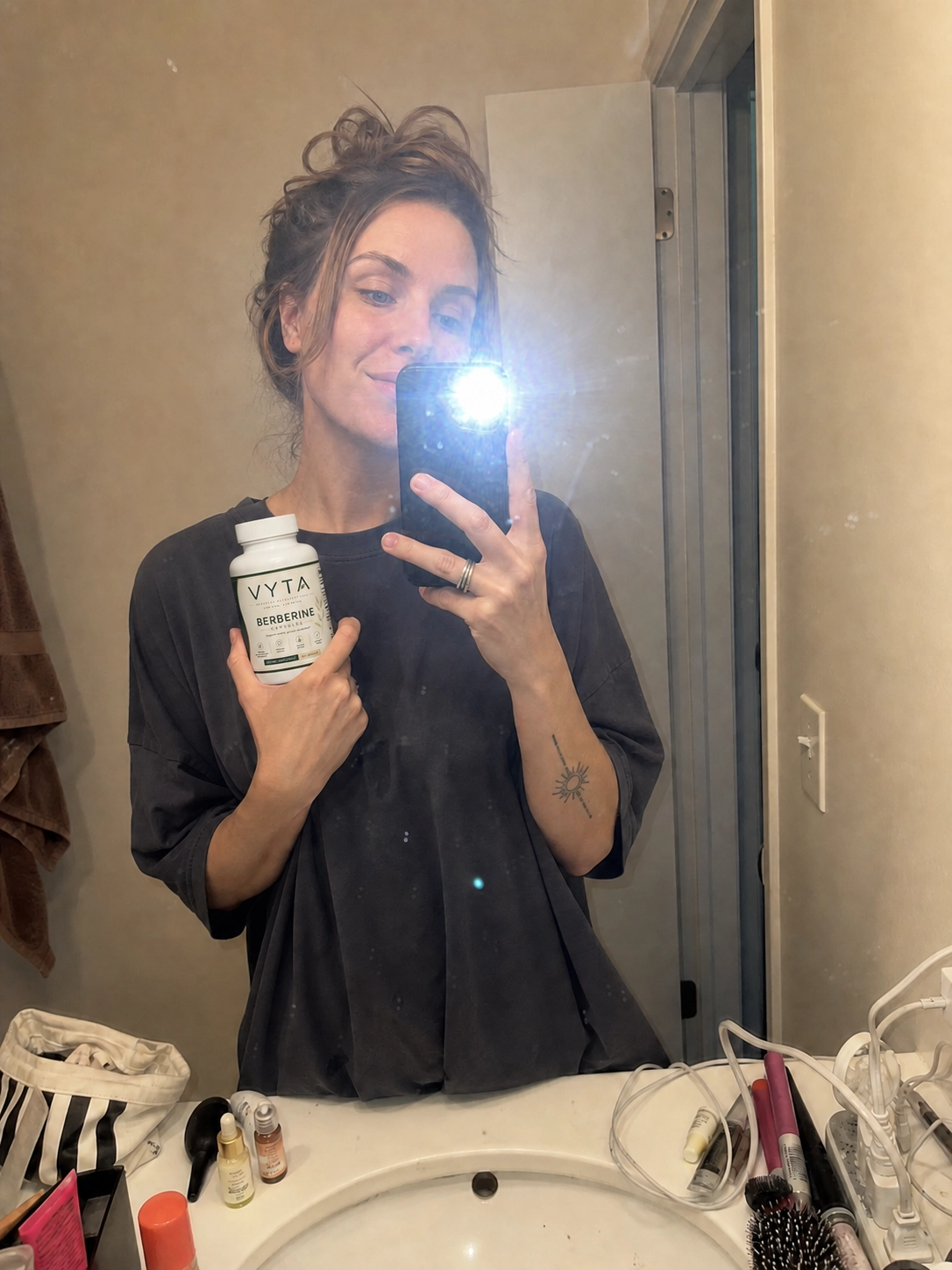
"My free androgen levels dropped and my SHBG increased! My chin acne completely cleared and I no longer see clumps of hair clogging the shower drain."
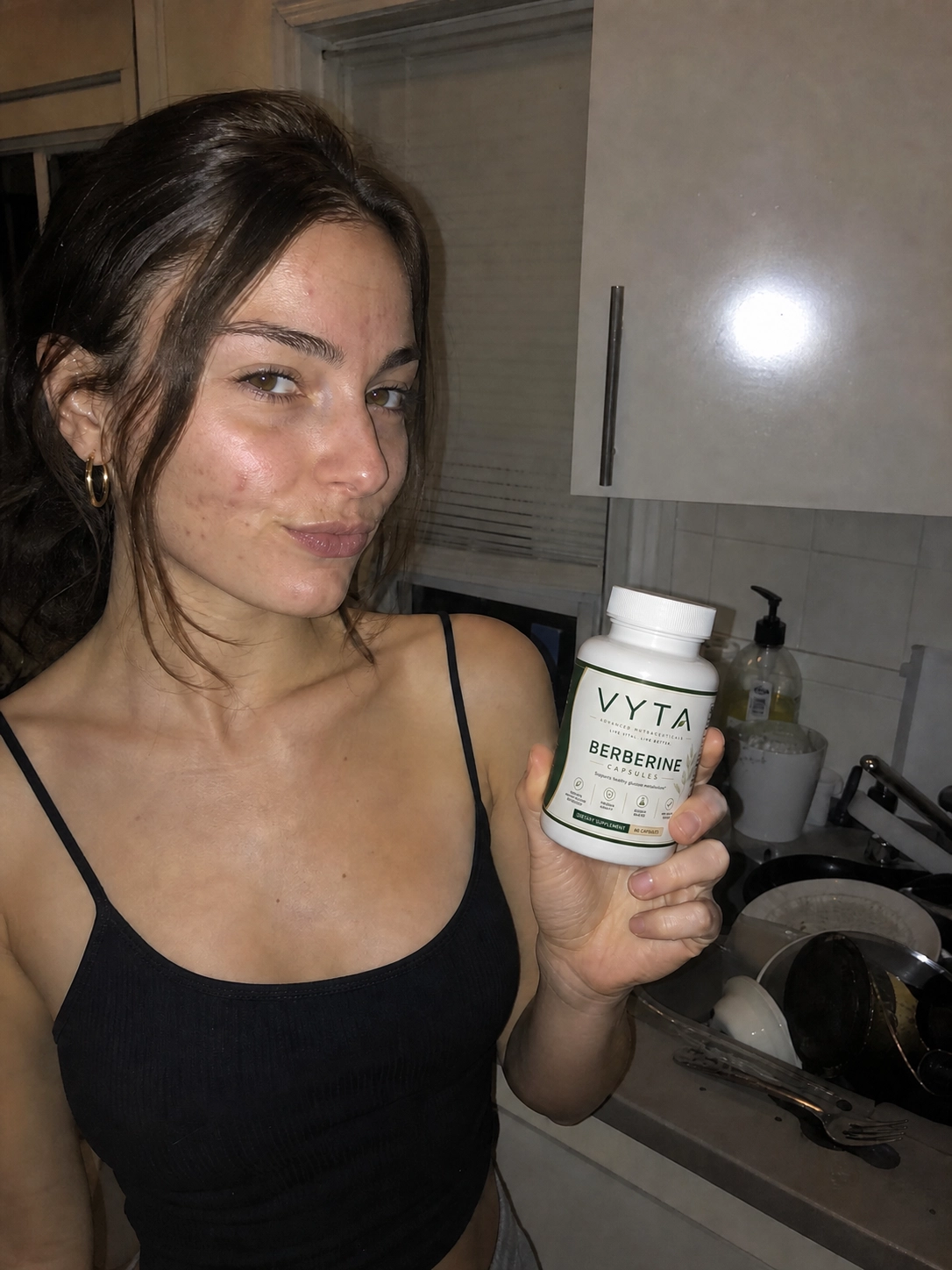
"Metformin gave me severe stomach cramps, but VYTA was smooth on my gut. Finally lost the stubborn PCOS midsection bloat without starving myself."
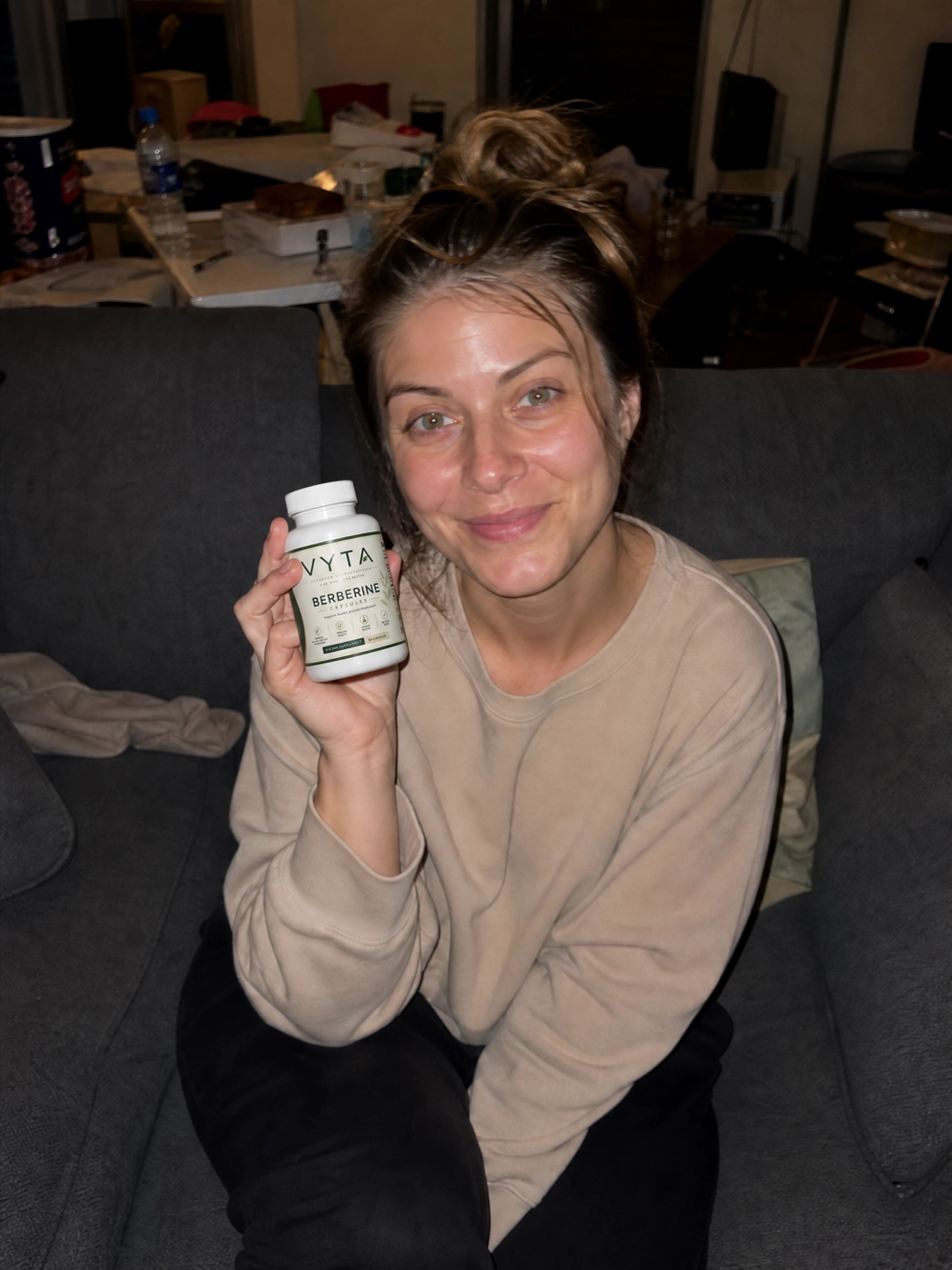
"At my quarterly check-up, my doctor asked what on earth I was taking because my fasting insulin and hormone markers improved so dramatically."
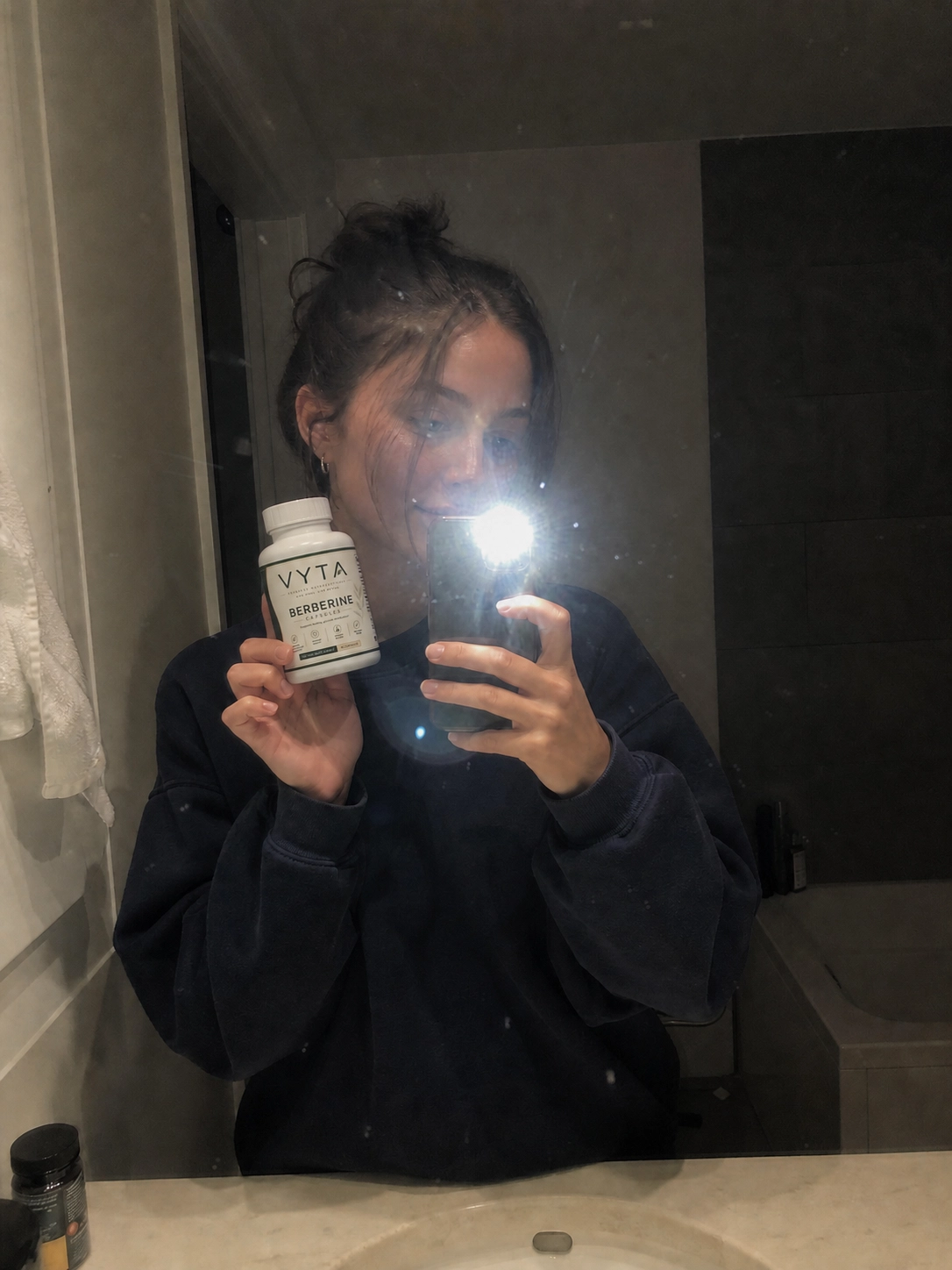
Where to Find Authentic 97% Pure Berberine HCl (And How Readers Can Secure the 90-Day Protocol)
Because clinical research shows that AMPK activation, insulin sensitivity, and androgen binding (SHBG) build compounding momentum over 60 to 90 days, endocrinologists and clinical nutritionists strongly recommend starting with the 90-Day Transformation Protocol.

The 90-Day Recommended Protocol (3-Bottle Batch)
Clinically recommended duration for full AMPK cellular activation and baseline hormonal shift.
- 3 Full Bottles of VYTA Berberine HCl (1,500mg clinical dose per serving)
- INCLUDED FREE BONUS: The 5-Minute Glucose Protocol Digital Companion Guide
- FREE Express Shipping to all 50 U.S. States
- 100% Risk-Free Guarantee: Covered by our 60-Day Empty-Bottle Money-Back Guarantee